The Ultimate Guide to Exterior House Washing in Melbourne
Exterior house washing removes dirt, cobwebs, algae and other surface contamination from your home’s walls and exterior features. In Melbourne, shaded walls, damp winter conditions, airborne dust and coastal salt exposure can all affect how quickly surfaces become dirty. The right cleaning approach improves street appeal while helping you identify maintenance issues before they worsen.
Effective exterior cleaning is not simply about using more pressure. It involves matching the cleaning method to the material, protecting vulnerable areas and managing wastewater responsibly.
Why Melbourne Homes Need Exterior Washing
Melbourne’s changeable weather creates different cleaning challenges across the city. Shaded or poorly ventilated areas can remain damp and develop green algae or mildew. https://melbournepressurecleaningpros.com.au/sanitation-cleaning/ Homes near busy roads may accumulate traffic-related grime, while properties around Port Phillip Bay can experience salt deposits on exposed surfaces.
Regular washing helps keep exterior finishes clean and makes peeling paint, cracked render, failing sealants and damaged mortar easier to spot. However, cleaning does not repair these defects or solve underlying moisture problems.

Soft Washing vs Pressure Washing
Soft Washing for Delicate Surfaces
Soft washing uses low-pressure application and rinsing, usually with a cleaning solution selected for the surface and contamination. It is often appropriate for painted weatherboards, many rendered finishes and some lightweight cladding systems, subject to manufacturer guidance.
Cleaning products need the correct dilution and contact time. Strong mixtures or inadequate rinsing can damage coatings, discolour metals and harm plants. A small test area helps confirm compatibility before work proceeds.
Pressure Washing for Suitable Hard Surfaces
Pressure washing can be useful for sound concrete, some masonry and other durable surfaces. However, excessive pressure can erode mortar, mark timber, strip paint or force water behind cladding. Even brickwork requires assessment, particularly where mortar is soft or deteriorating.
The safest method depends on surface condition, not just surface type. Nozzle selection, spray angle, working distance and water flow all influence the result.
Choosing the Right Approach for Your Home
Before washing begins, inspect walls and surrounding features for existing damage. Check the manufacturer’s cleaning instructions where available, especially for proprietary render, composite cladding and coated metal products.
- Weatherboards: Check for loose paint, open joints and timber decay. Avoid directing water upward beneath overlapping boards.
- Render: Assess cracks, loose sections and coating condition. Aggressive cleaning can leave permanent marks or worsen defects.
- Brick: Inspect mortar joints and distinguish ordinary dirt from efflorescence, which may require a different treatment.
- Metal cladding: Follow coating-care instructions and avoid incompatible chemicals or abrasive methods.
- Older materials: Arrange assessment if asbestos-containing cement sheeting is suspected. Never use high-pressure water on asbestos-containing materials.
How Often Should You Wash Your House?
Inspect your home’s exterior every six to twelve months rather than relying on a fixed washing schedule. Many properties benefit from cleaning approximately every twelve to twenty-four months, but sheltered walls, nearby vegetation, road exposure and coastal conditions can change that interval.
Clean sooner if organic growth is spreading or contamination is becoming difficult to remove. For coastal properties, coated metal manufacturers may recommend more frequent freshwater washing of sheltered areas that rain does not reach.
The Best Time for Exterior Washing in Melbourne
Mild, overcast weather generally makes cleaning easier because solutions are less likely to dry too quickly. Avoid strong winds, extreme heat and conditions that create slippery or unsafe access.
Spring and autumn often offer suitable conditions, but the forecast matters more than the season. Heavy rain can interfere with chemical contact times and runoff control, while cold, damp conditions may delay drying before painting or repairs.
Preparing Your Property for Cleaning
A little preparation protects belongings and helps the job run smoothly. Before work starts:
- Close windows and doors, and identify leaking frames, damaged seals or ventilation openings that need protection without creating other hazards.
- Move outdoor furniture, cushions, vehicles and portable electrical items away from the work area.
- Point out security cameras, outdoor power points, solar equipment and other sensitive fixtures.
- Discuss protection for plants, ponds, pets and rainwater collection systems.
- Confirm water access, safe working areas and how wash water will be contained or collected.
Keep children and pets away until cleaning is complete and treated areas are safe to access. Do not assume outdoor electrical fittings are protected against direct spray.
Water Use and Wastewater Responsibilities in 2026
Check current requirements with your Melbourne water retailer before booking, particularly if water restrictions apply. Victoria’s permanent water-saving rules and any additional restrictions can affect how water is used for cleaning.
Do not allow detergent, chemical residue, paint flakes or contaminated wash water to enter stormwater drains. Stormwater can flow to local waterways and Port Phillip Bay without treatment. A suitable cleaning plan may require drain protection, containment and wastewater recovery, depending on the work.
Ask the contractor how wastewater will be managed and whether disposal requires approval. A product labelled biodegradable is not automatically safe to release into stormwater.
What Affects Exterior House Washing Costs?
Pricing depends on the area being cleaned, building height, access, surface materials, contamination and the need for specialist equipment. A two-storey home with restricted side access generally requires more planning than an easily accessible single-storey property.
Request an itemised written quote that identifies the surfaces included, the proposed method, GST where applicable and any exclusions. Roof cleaning, gutters, windows, paths and driveways are not necessarily included in a house-washing service. Confirm whether window rinsing or detailed glass cleaning forms part of the price.
DIY Cleaning or Professional Service?
Light dirt on accessible, sound surfaces may be manageable with a soft brush, a suitable cleaner and gentle rinsing, subject to water-use rules. Follow product labels, wear appropriate protection and never mix cleaning chemicals, especially chlorine-based products with acids or ammonia.
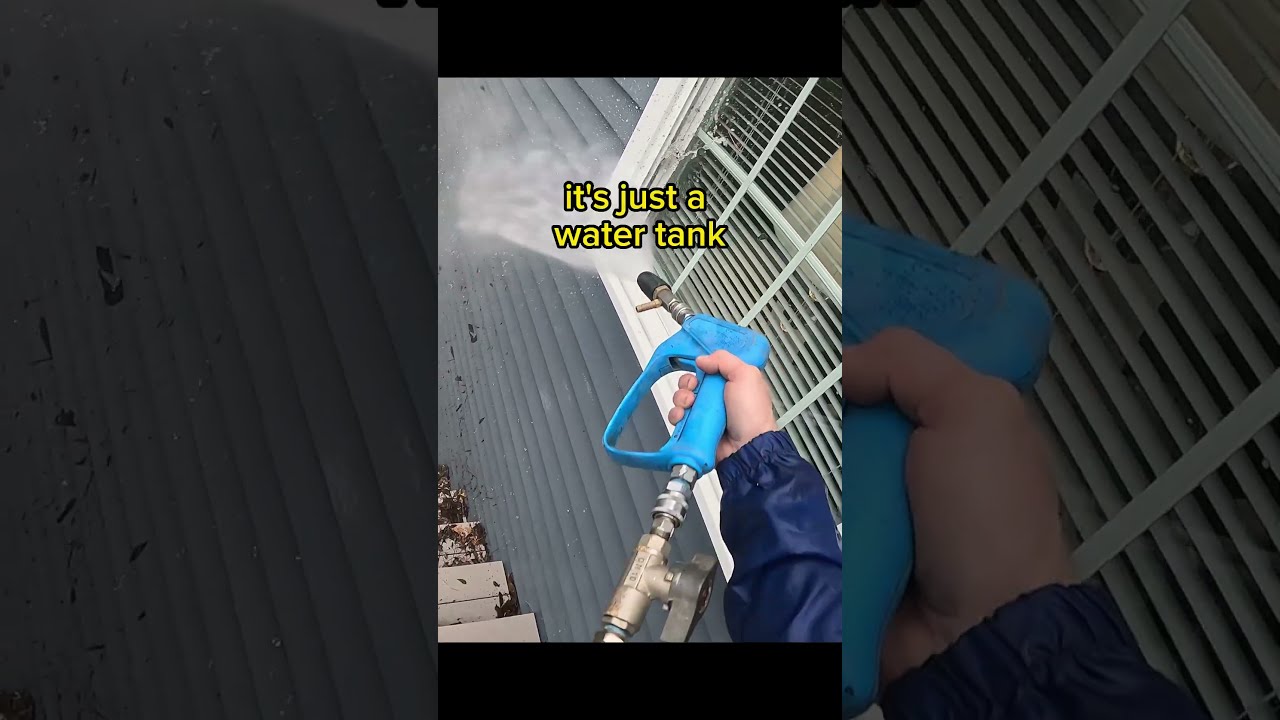
Professional help is preferable for high walls, fragile finishes, extensive growth or complicated runoff management. Avoid operating a pressure washer from a ladder: recoil, slippery surfaces and awkward positioning create significant fall risks.
How to Choose a Melbourne Exterior Cleaning Company
Choose a provider who inspects the property, explains the method and identifies limitations before quoting. Ask about public liability insurance, experience with your cladding type, chemical handling, working-at-height arrangements and wastewater management.
A responsible contractor should explain which stains may remain and flag repairs needed before cleaning. Be cautious of anyone who proposes the same high-pressure treatment for every surface or promises that washing will fix leaks and structural damage.
Keeping Your Exterior Cleaner for Longer
Trim vegetation away from walls, maintain gutters and downpipes, and repair leaks that keep surfaces damp. Check garden irrigation so it does not repeatedly wet cladding, and address drainage problems near the building.
For Melbourne homeowners, the best exterior washing plan combines periodic inspections, material-appropriate cleaning and sensible moisture management. This approach keeps your home looking cared for without subjecting its finishes to unnecessary wear.
Melbourne Pressure Cleaning Pros
(03) 8007 3103
Ends · ERICKCEBT254